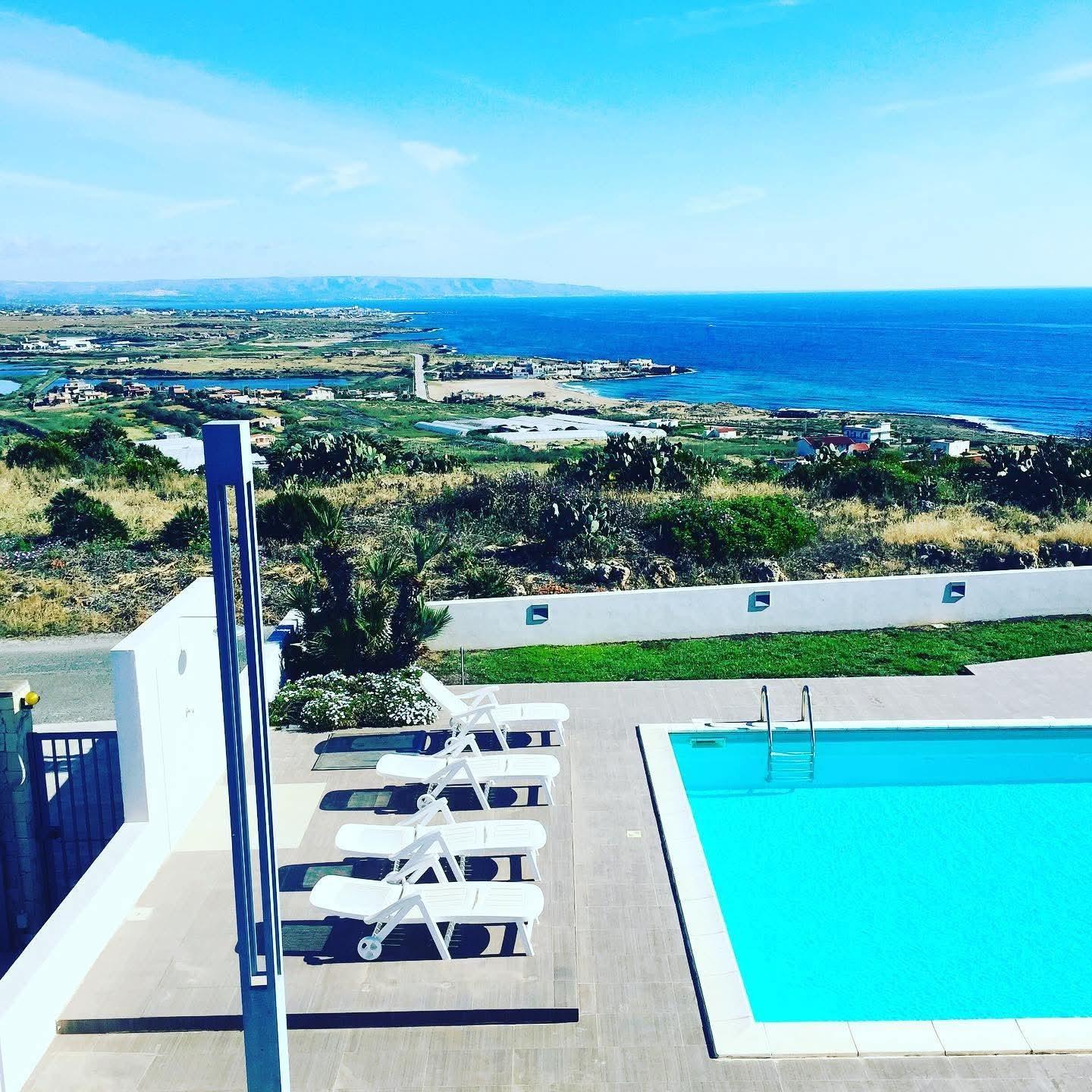
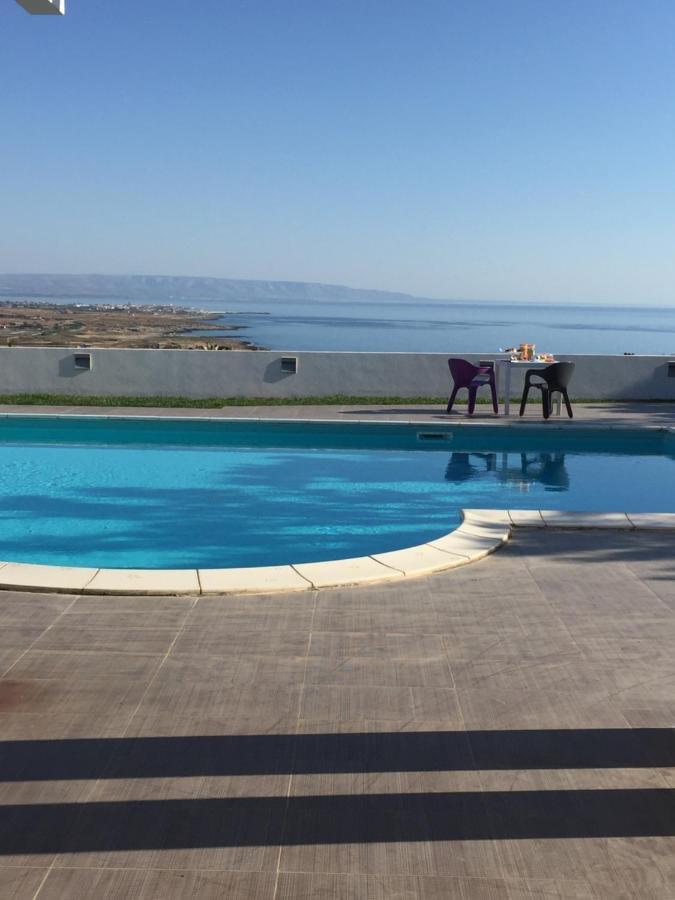
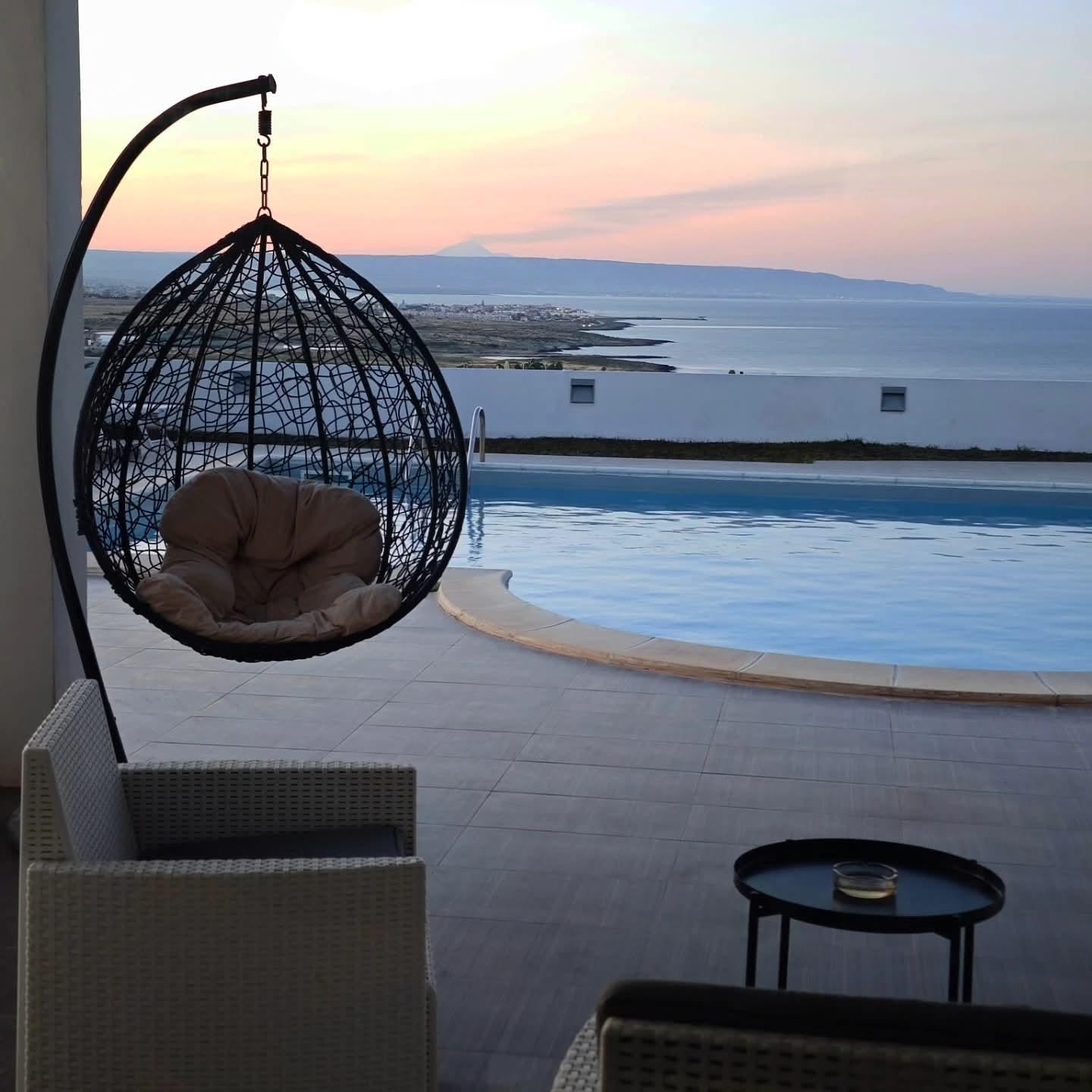
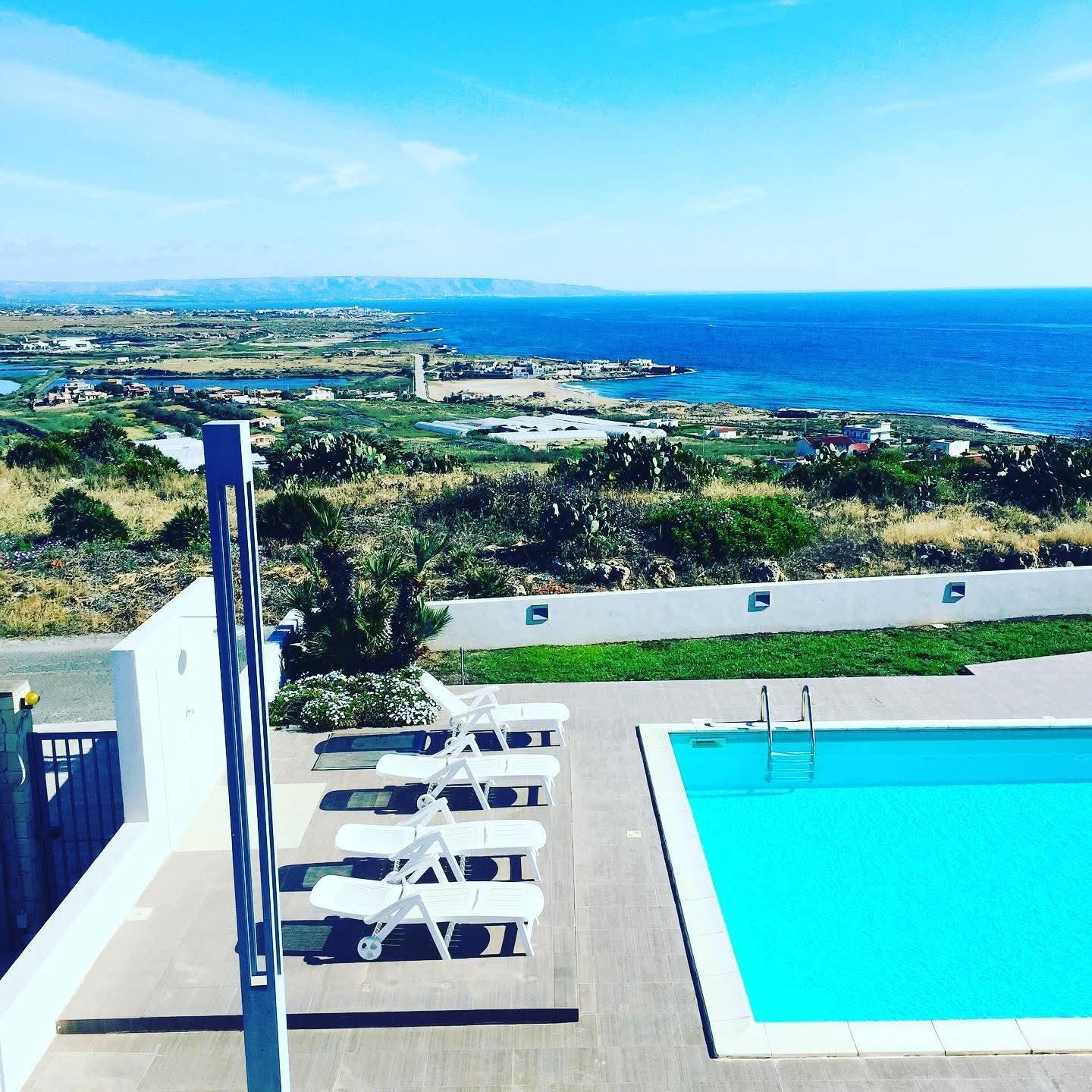
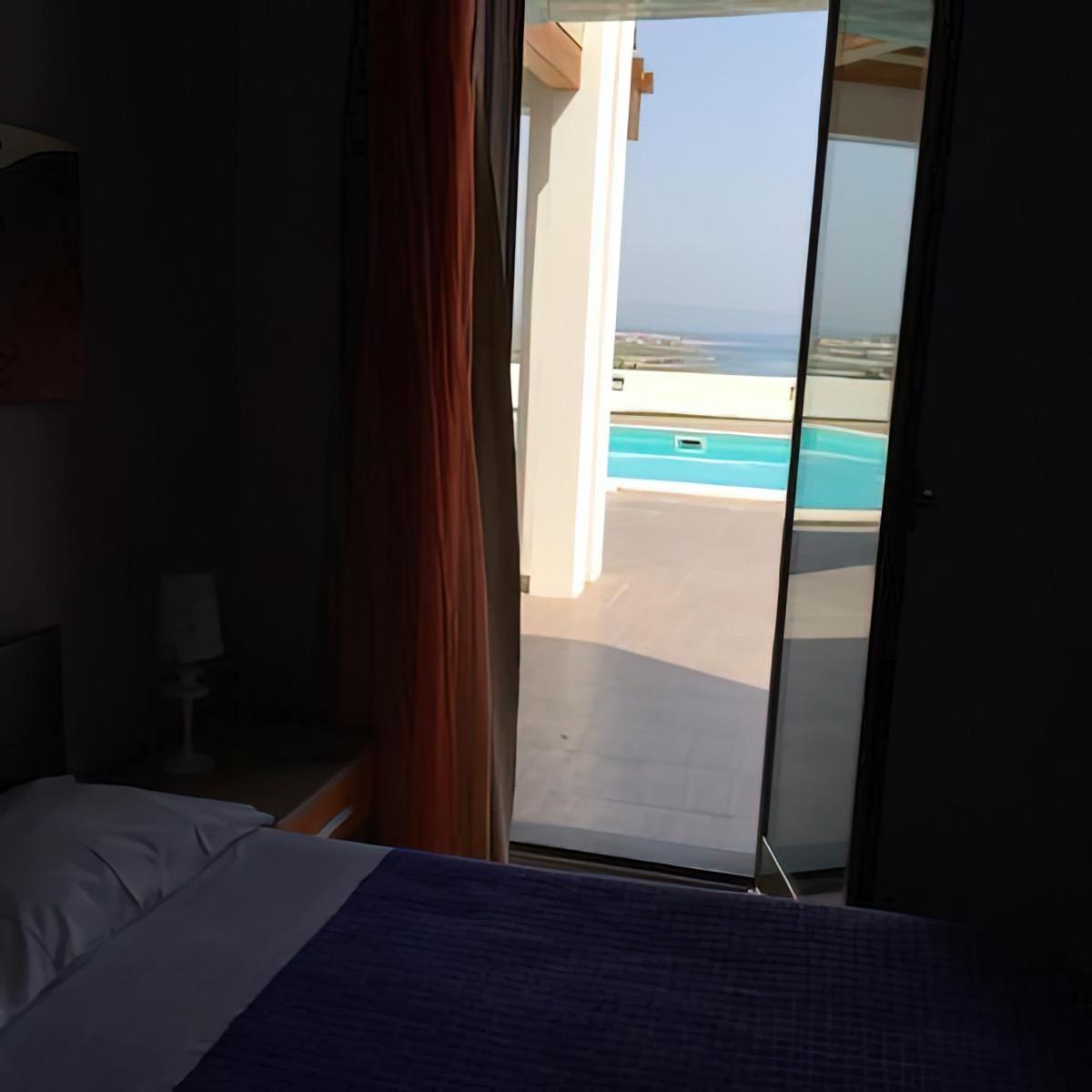
In Portopalo di Capo Passero, the sea is once again called the Mediterranean. At the same latitude as the Tunisian coast, the sun, colors, and heat that give hallucinations evoke something very similar to the Mal d'Africa due to the proximity to the African continent.
The beaches of fine sand stretch for tens of kilometers and grow sea lilies with a delicate scent.
Facing the sea, your gaze rests on the barren countryside crossed by the skeletons of dry stone walls that divide small plots planted with carob trees, twisted trees with brown leaves that grow only in this extreme corner of land.
The village is a handful of low, white houses where you can find one of the most prestigious tuna fisheries in the Mediterranean, now a splendid monument of industrial archaeology. The name Capo Passero refers to the cry of "passàru" (they have passed) that announced the passage of the tuna.
The sea, a real resource, is rich in fish with which, in the past, Garum was produced, a millennial, spicy sauce with a strong aroma that the Romans added to numerous dishes.
But it is not only fish that is the main food and the most important source of income in Portopalo, we must absolutely remember the goodness of the cherry tomato from Pachino and the exceptional wine from the Eloro wineries.
Phoenicians, Greeks, Romans, Arabs: how many civilizations have sailed this sea and these lands, how many adventures to tell. Myths, legends, popular stories chase each other and intertwine, mixing with stories that actually happened.
In Portopalo, it is said that on stormy nights when the wind and the sea start to argue, you can hear the voices of the unfortunate sailors who crashed on the island of Capopassero with their ships.
Torrefano is the name of a location near Portopalo. It takes its name from an ancient signaling tower that was part of a system of watchtowers wanted by Charles V in 1535 to defend the island, to defend against frequent pirate raids and attacks by the Saracens.


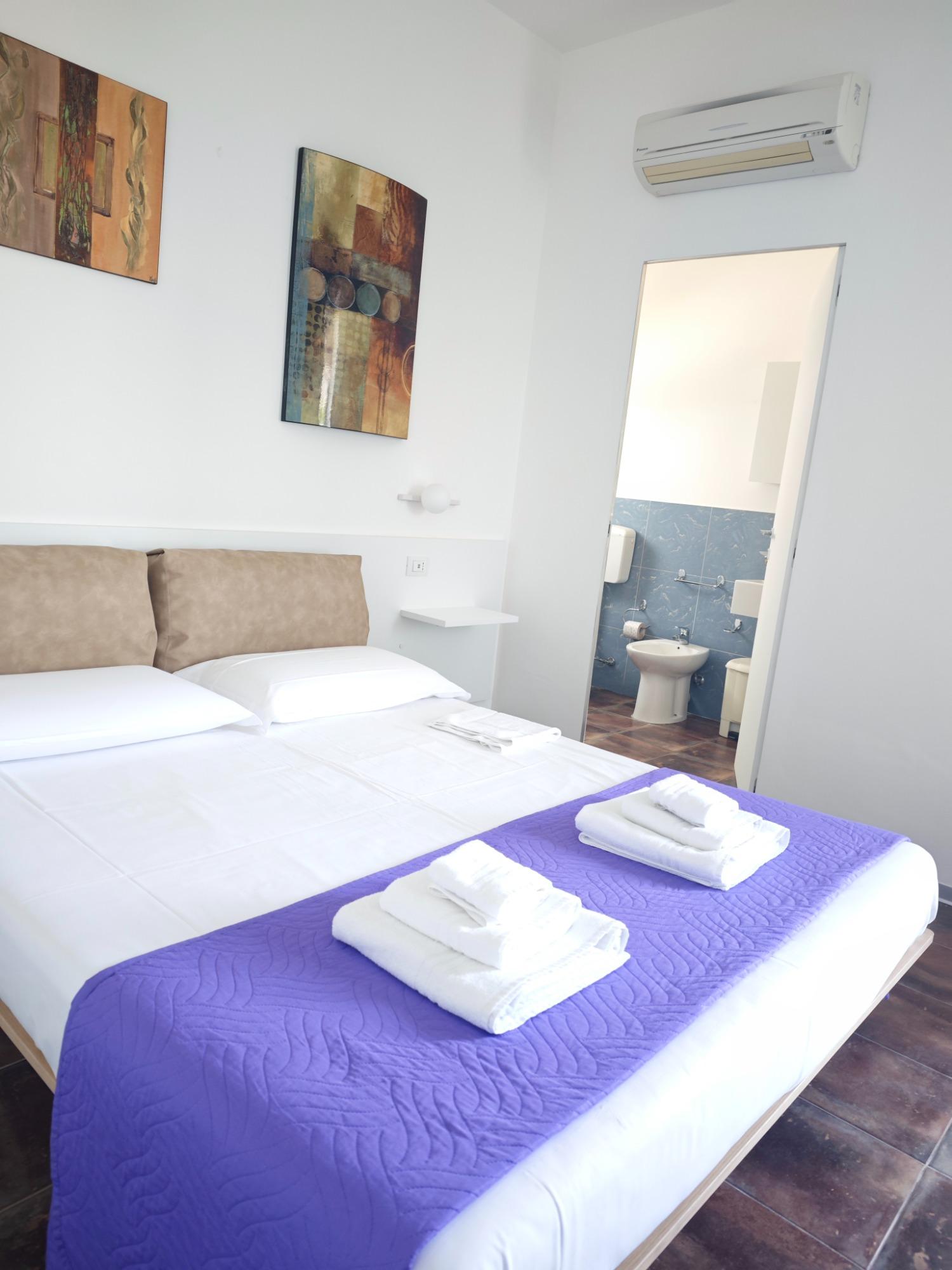
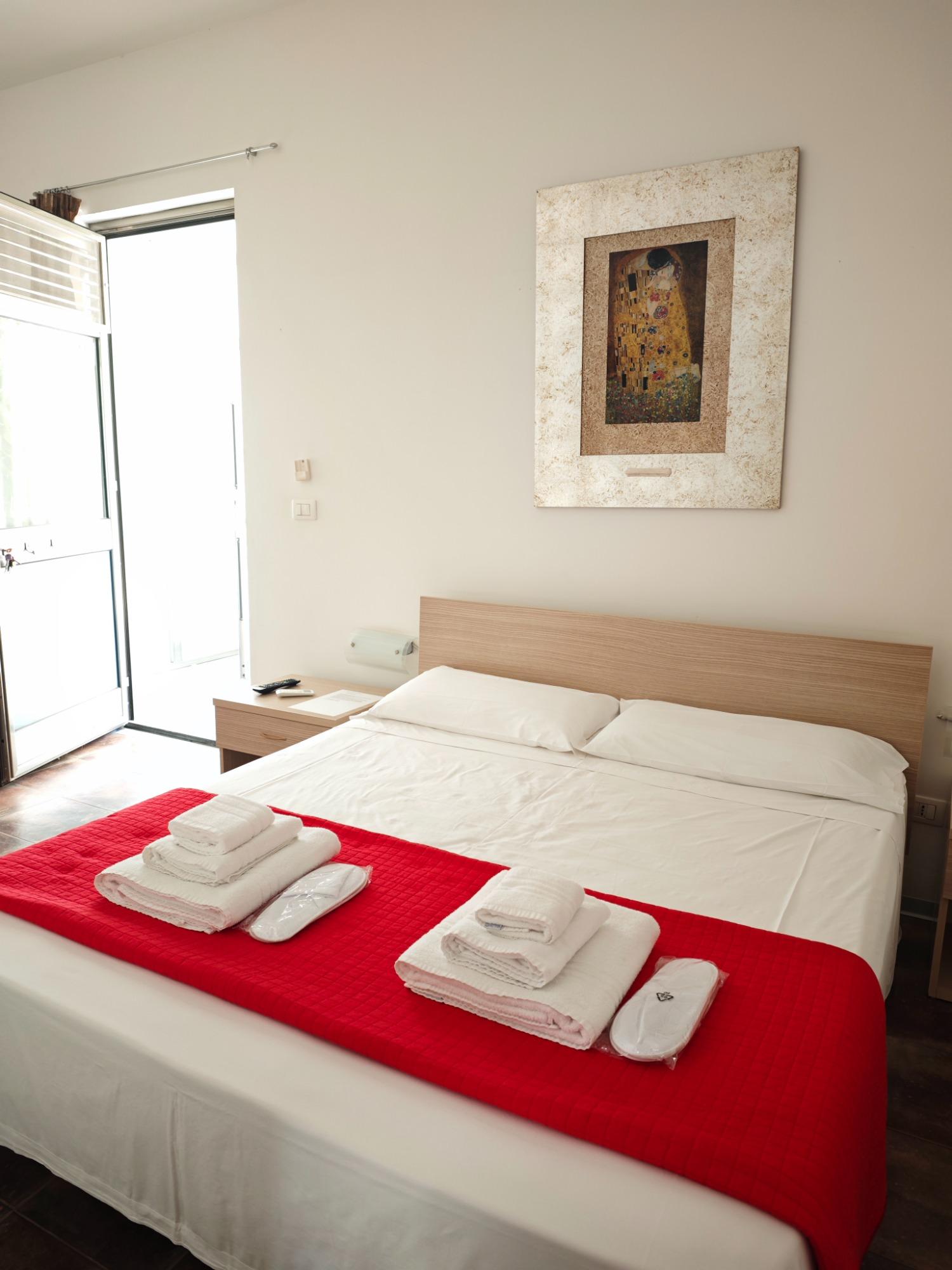
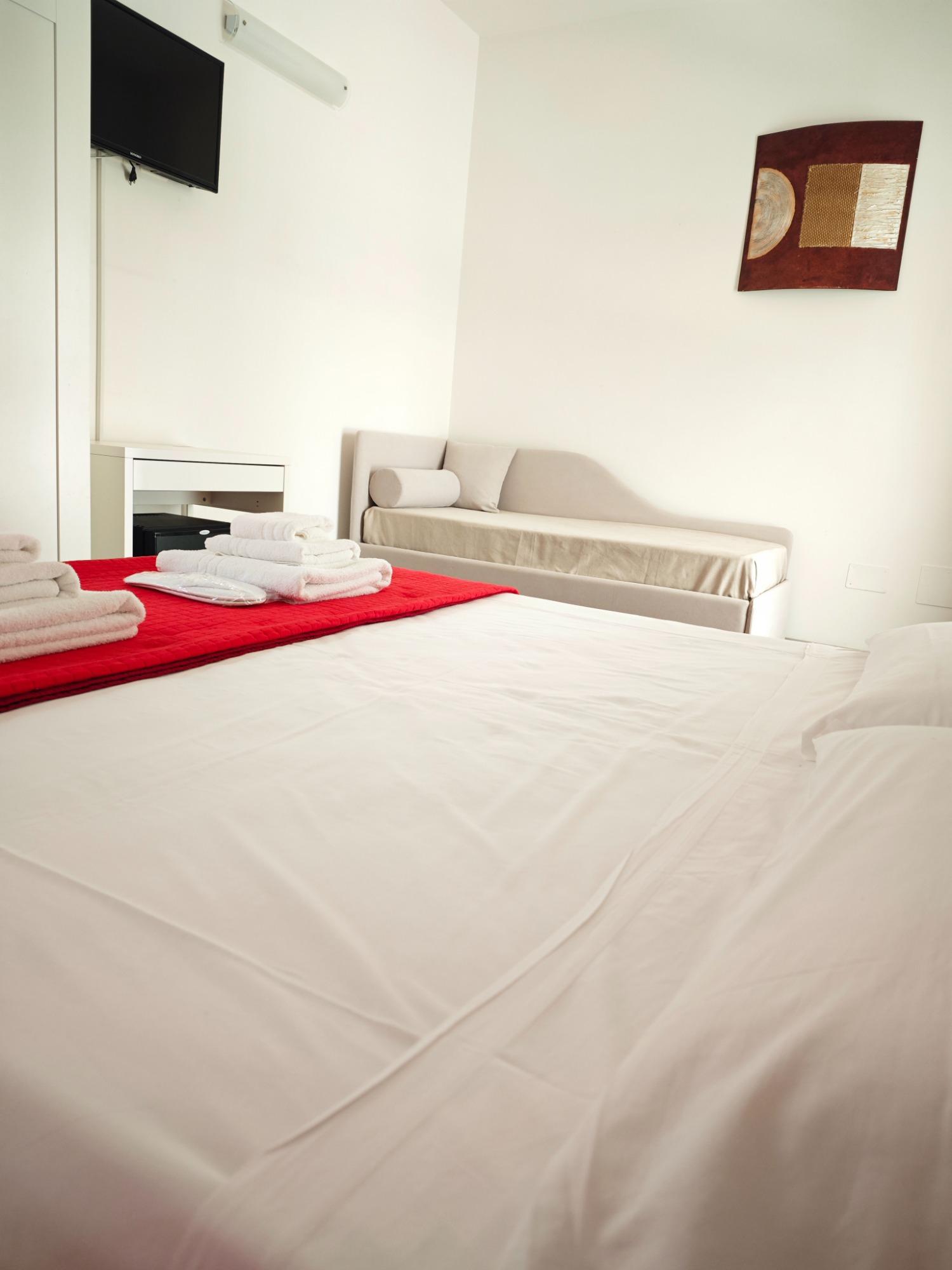
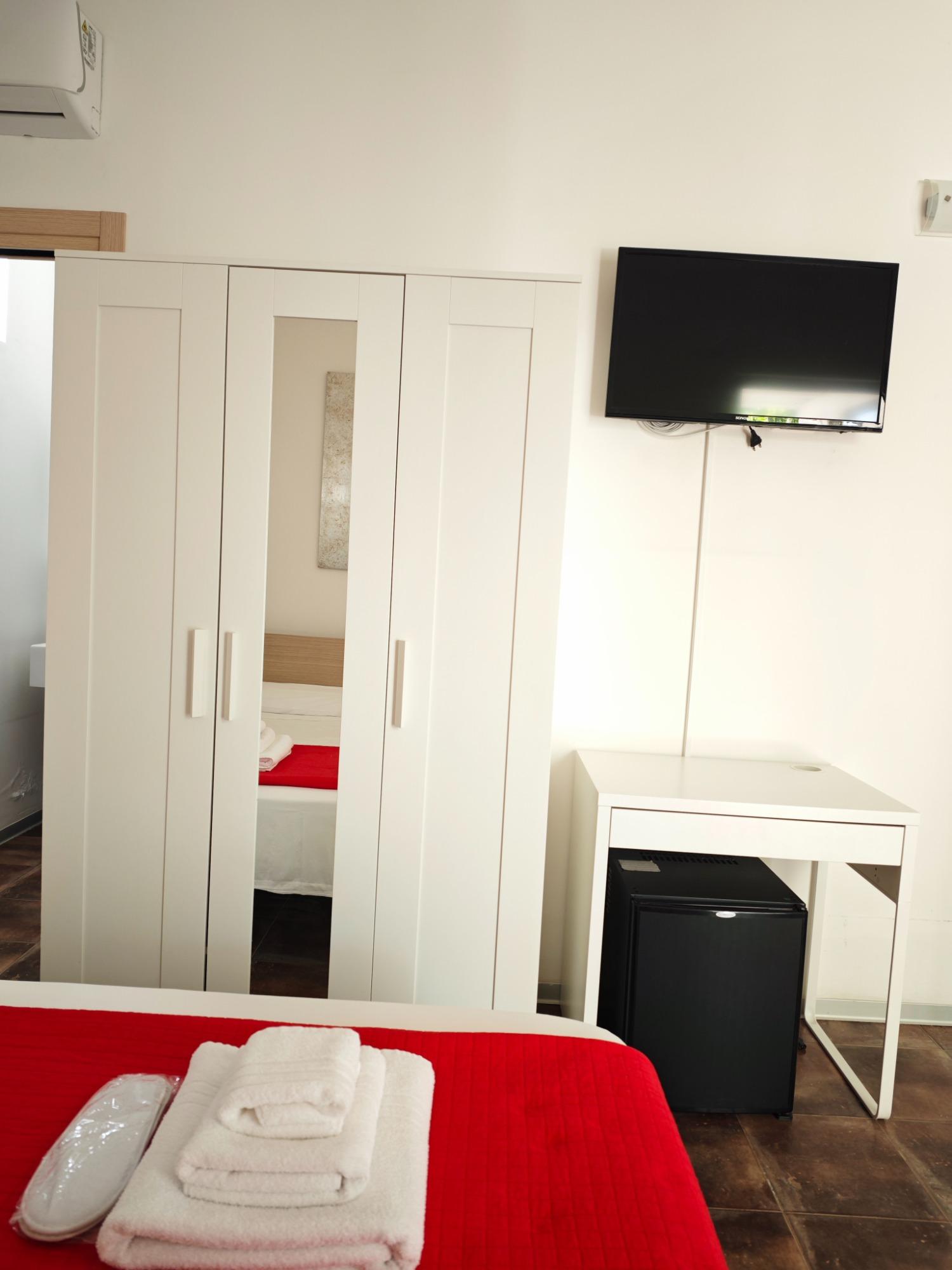
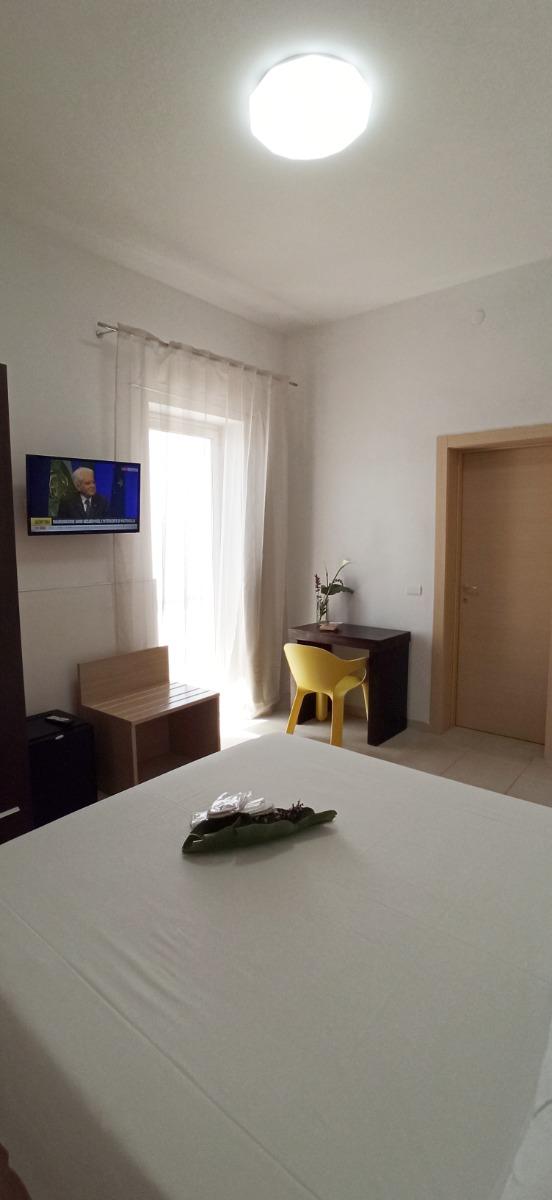
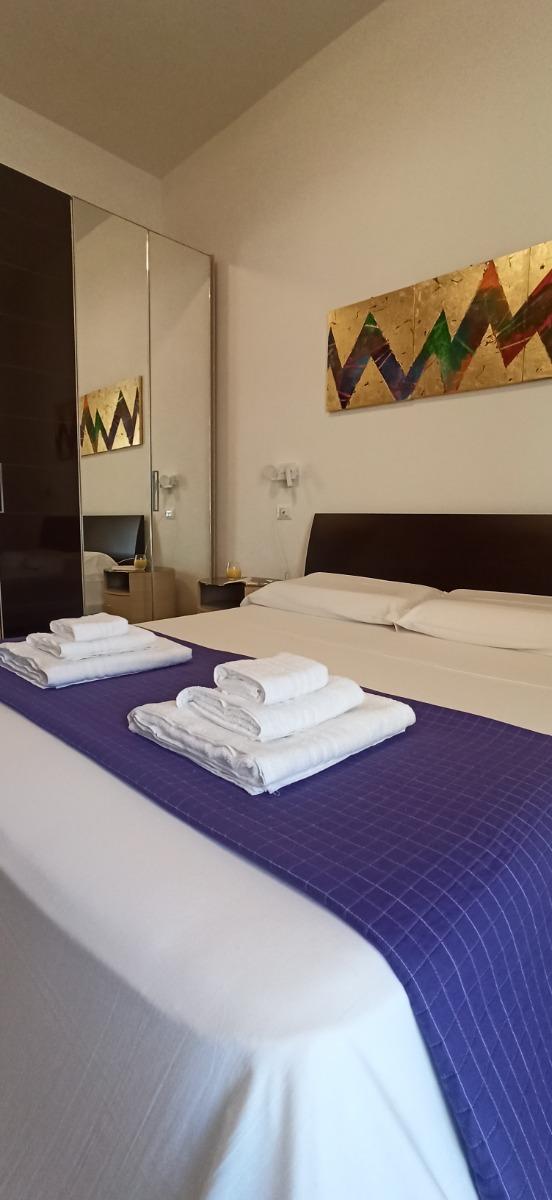
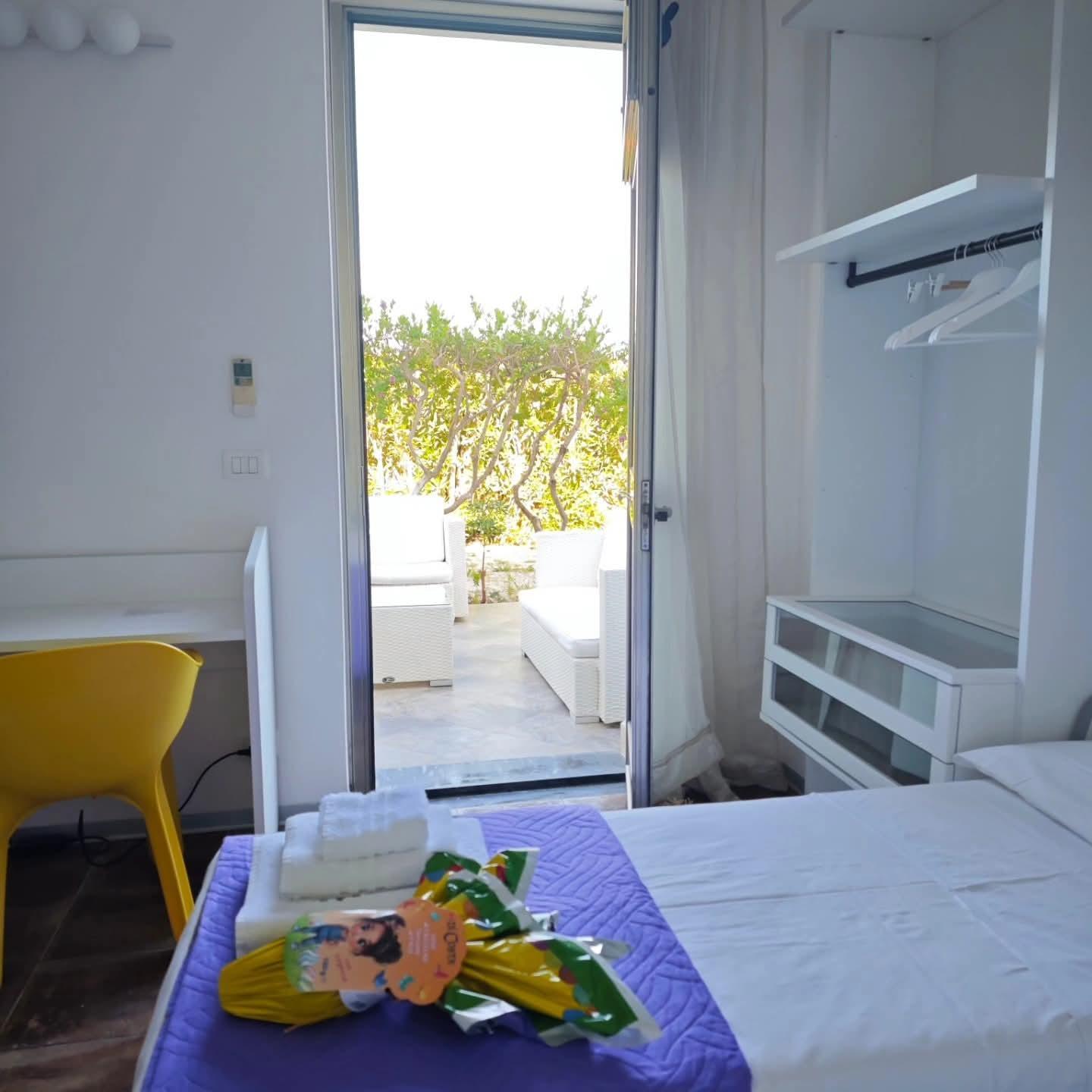
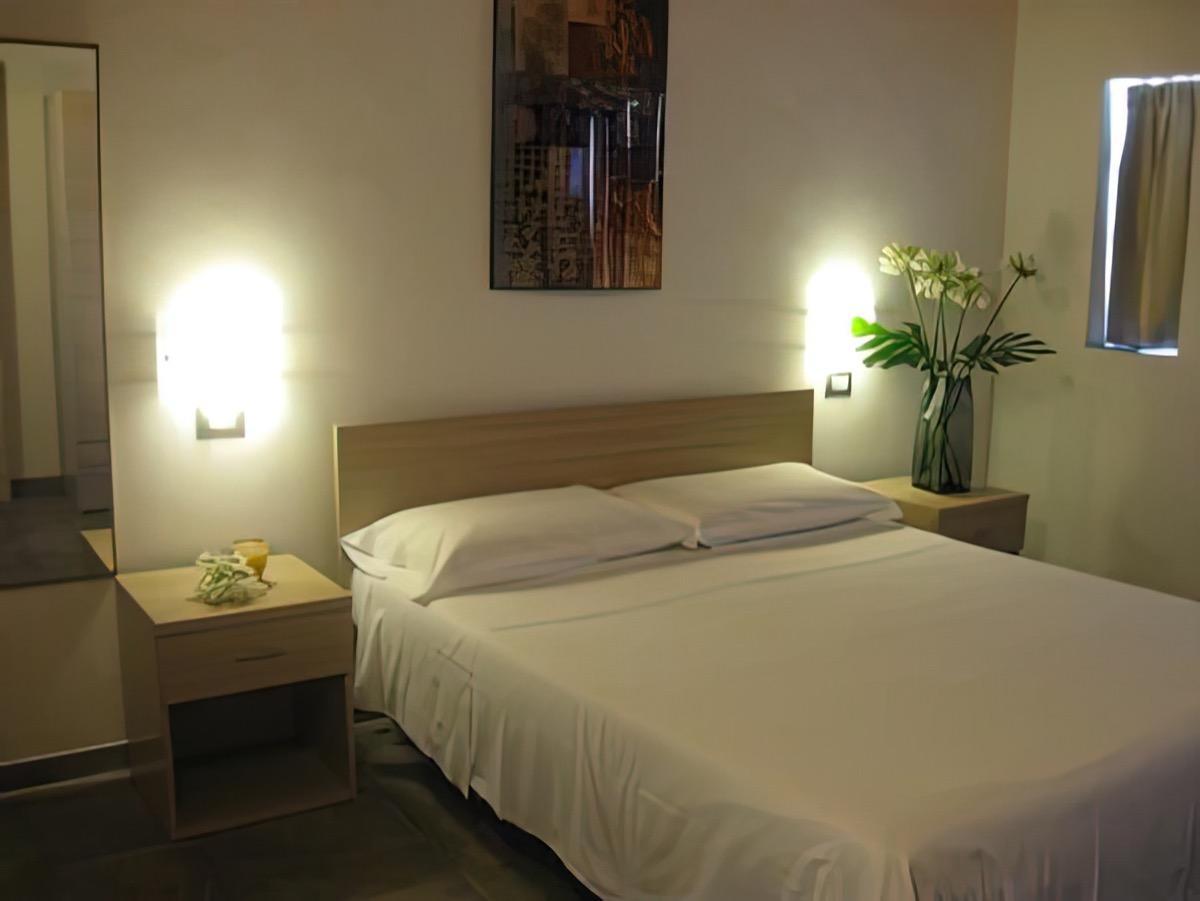
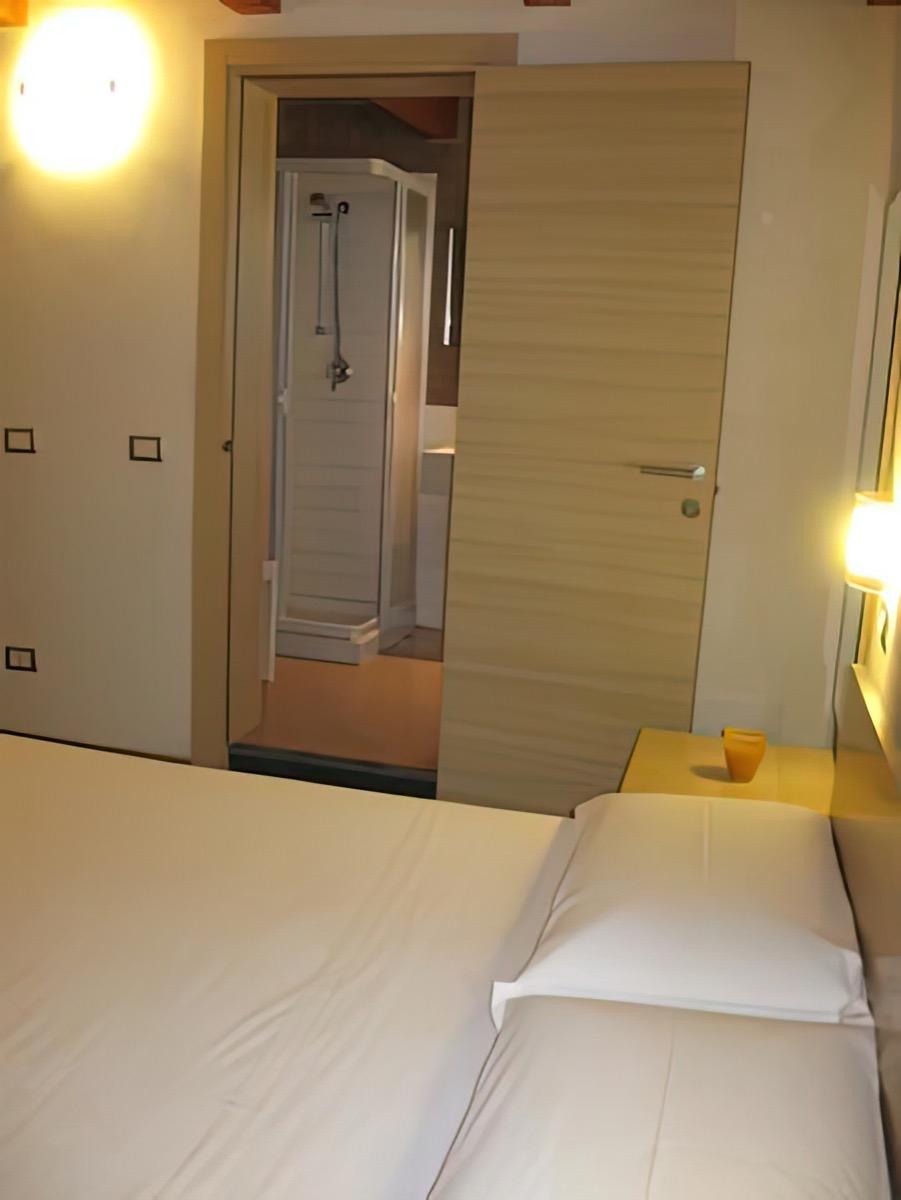
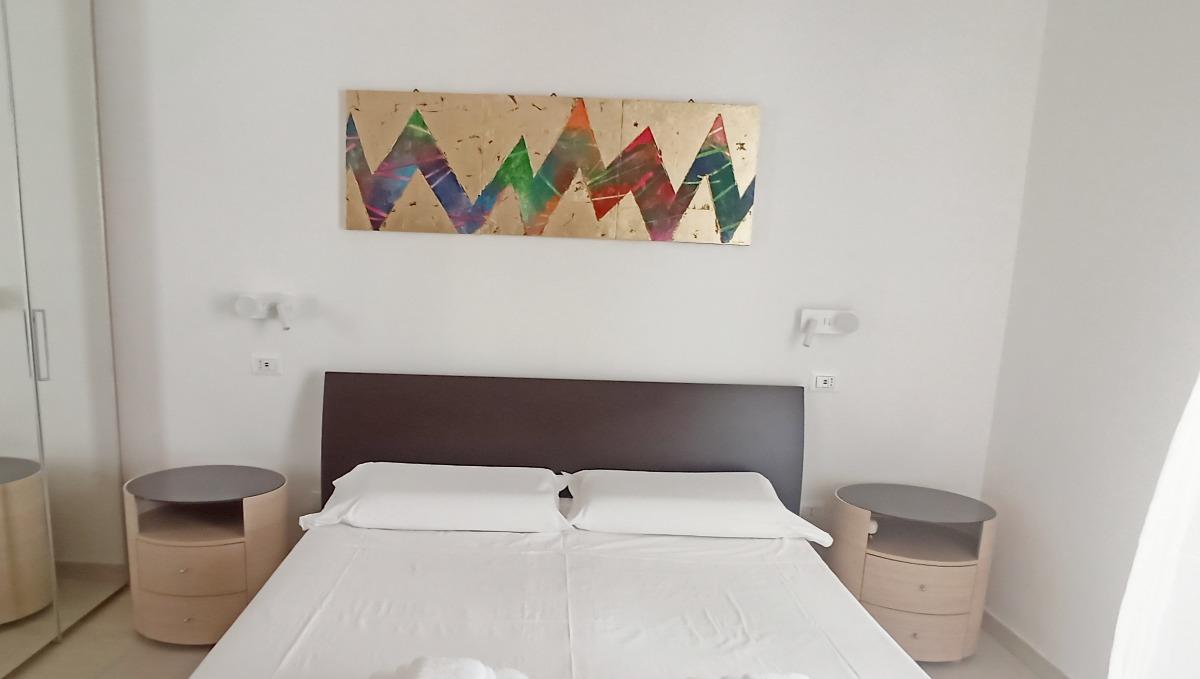
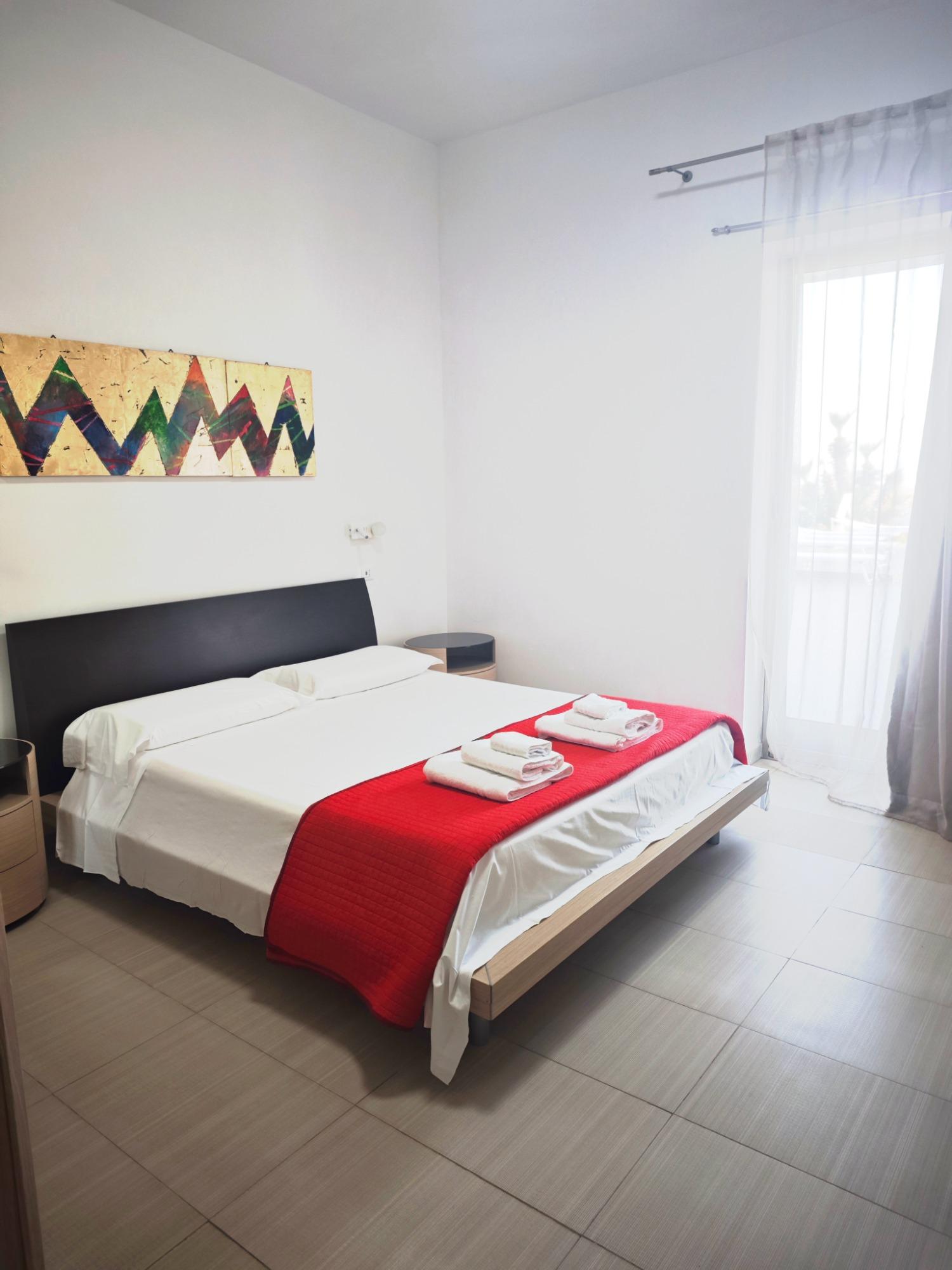
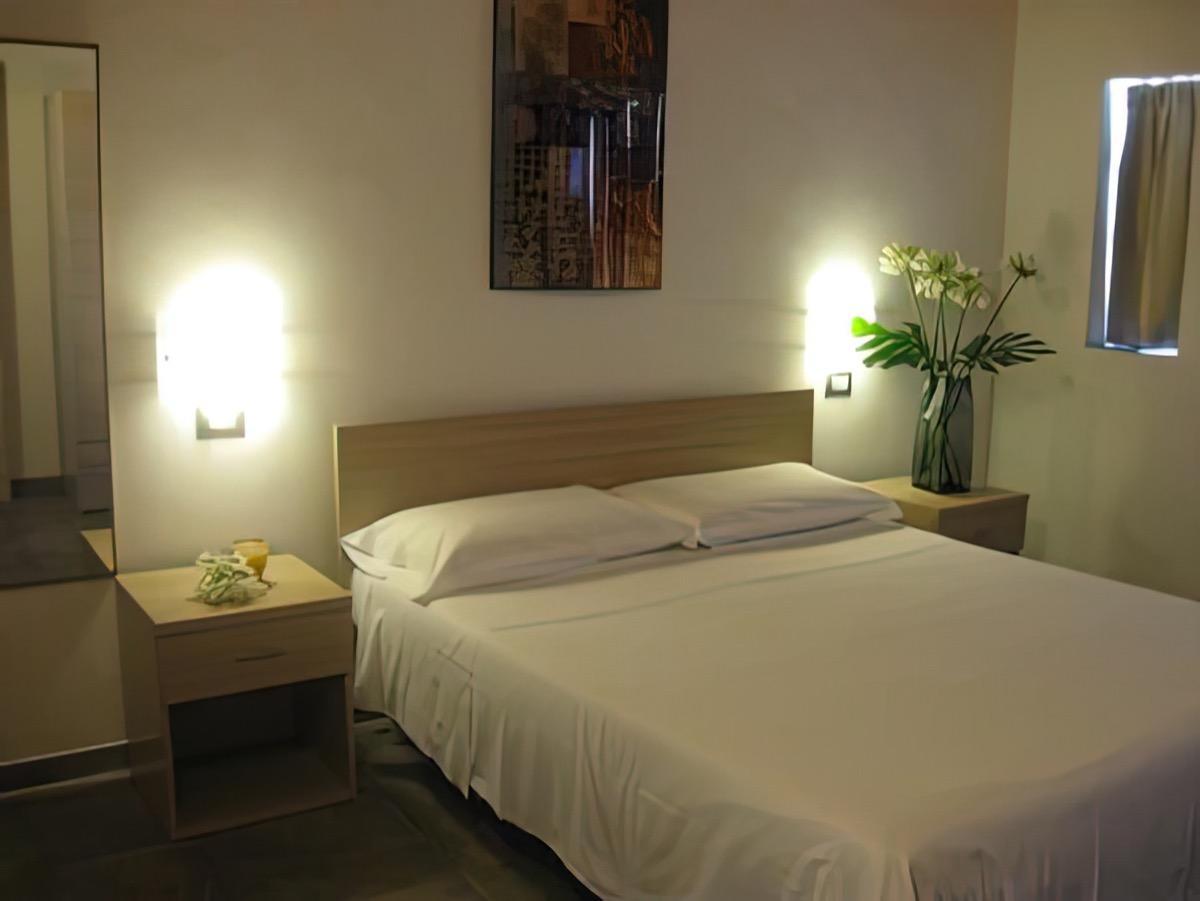
 Numero di camere: 2